Your Essential Hiking Kit
Embarking on a hike, whether it's a short day trip or a multi-day trek, requires careful preparation. The right gear can make the difference between a challenging but rewarding experience and a miserable ordeal. This guide breaks down the must-have items for any outdoor enthusiast, categorized for clarity.
Footwear: The Foundation of Your Hike
Your feet are your most important asset on the trail. Choosing the right footwear is crucial for comfort, support, and injury prevention.
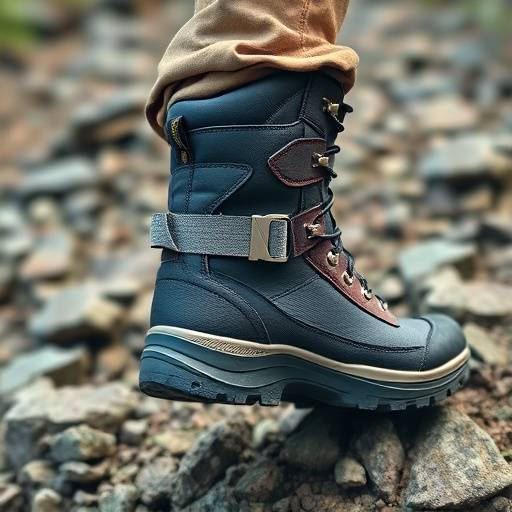
Hiking Boots/Shoes
Description: Designed for rugged terrain, offering ankle support, good traction, and durability. For lighter trails, trail running shoes or sturdy hiking shoes might suffice.
Recommendations:
- Ensure a proper fit. Try them on at the end of the day with your hiking socks.
- Consider waterproof or water-resistant options for varying weather conditions.
- Break them in thoroughly before your first major hike.
- Look for good cushioning and a supportive midsole.

Hiking Socks
Description: Crucial for preventing blisters and managing moisture. Avoid cotton socks, which retain moisture and can lead to chafing.
Recommendations:
- Opt for wool or synthetic blends specifically designed for hiking.
- Consider thickness based on the season and your footwear.
- Pack at least one extra pair for longer hikes.
Clothing: Layering for Comfort and Safety
Proper clothing allows you to adapt to changing weather conditions, keeping you dry, warm, and protected.

Base Layers
Description: The first layer against your skin, designed to wick away moisture and regulate body temperature. Materials like merino wool or synthetic fabrics are ideal.
Recommendations:
- Choose moisture-wicking fabrics; avoid cotton.
- Consider short or long sleeves based on the climate.
- Ensure a snug but comfortable fit.

Mid Layers (Insulation)
Description: Provides warmth by trapping air. Fleece jackets, down vests, or synthetic insulated jackets are common choices.
Recommendations:
- Choose based on the expected temperature.
- Fleece offers good warmth and breathability; down is lightweight and highly insulating but loses warmth when wet.
- Packable options are convenient for carrying.
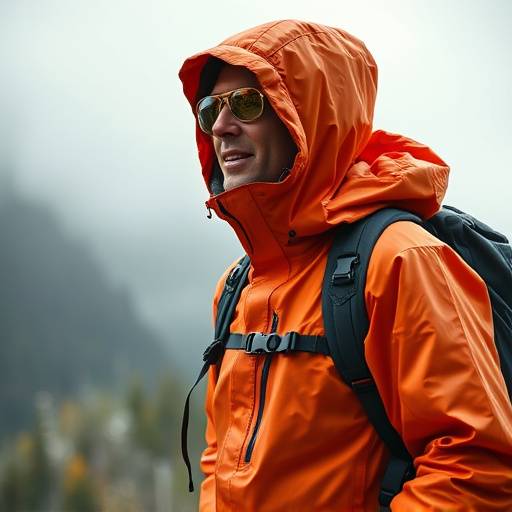
Outer Layer (Shell)
Description: Your primary defense against wind and rain. A waterproof and breathable shell jacket and pants are essential for unpredictable weather.
Recommendations:
- Look for waterproof and breathable materials like Gore-Tex.
- Ensure it's large enough to fit over your mid-layers.
- Adjustable hoods and cuffs are beneficial.

Headwear and Sun Protection
Description: Protects you from sun, wind, and cold. This includes hats, gloves, and sunglasses.
Recommendations:
- A wide-brimmed hat or baseball cap for sun protection.
- Warm hat (beanie) for colder conditions.
- Gloves for insulation and protection.
- UV-protective sunglasses.
Backpacks: Carrying Your Essentials
Your backpack should be comfortable, functional, and the right size for your trip.
Daypack (15-30 Liters)
Description: For shorter hikes, this pack carries essentials like water, snacks, a first-aid kit, and extra layers.
Recommendations:
- Look for padded shoulder straps and a sternum strap for comfort.
- Internal or external pockets for organization are helpful.
- Ensure it's the right size for your torso.
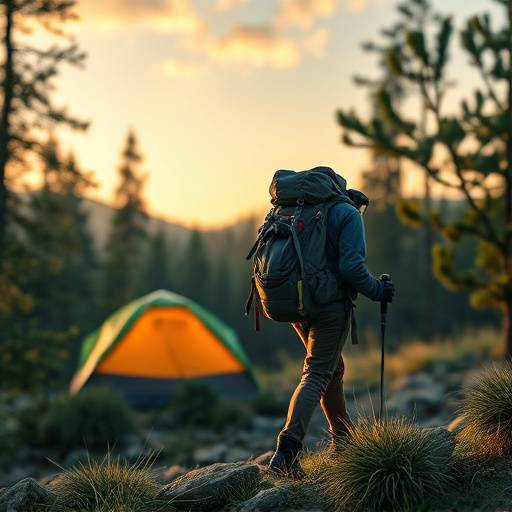
Multi-day Backpack (40-70+ Liters)
Description: For overnight or multi-day trips, this pack needs to accommodate camping gear, food, and more clothing.
Recommendations:
- Adjustable suspension system is key for load distribution.
- Hip belt and load lifters help transfer weight to your hips.
- Multiple compartments and access points improve organization.
- Consider a rain cover.
Navigation Tools: Staying on Course
Never rely solely on electronic devices. A combination of tools ensures you can find your way.
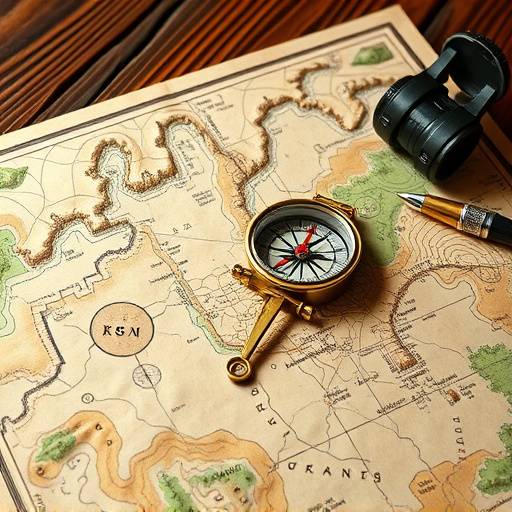
Map and Compass
Description: The classic and most reliable navigation tools. Understanding how to use them is a vital skill.
Recommendations:
- Always carry a topographic map of the area you'll be hiking.
- Ensure you know how to read your map and use a compass.
- Waterproof map cases are recommended.
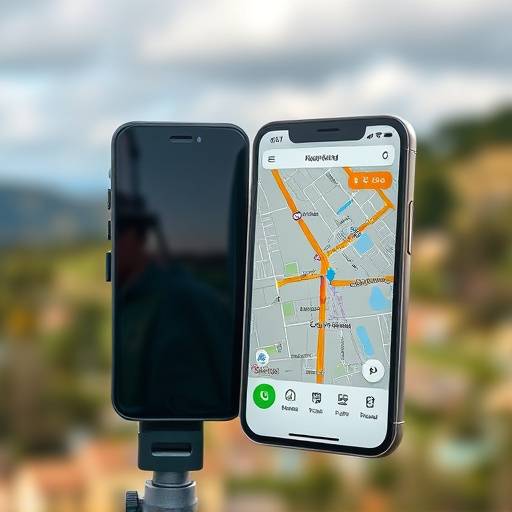
GPS Device or Smartphone App
Description: Modern navigation aids can provide precise location data and pre-loaded routes. Always have a backup power source.
Recommendations:
- Download offline maps for your intended route.
- Carry a portable power bank and charging cables.
- Familiarize yourself with the device/app before your hike.
Safety and First Aid: Be Prepared
Emergencies can happen. Being prepared with the right safety and first-aid items can make a critical difference.
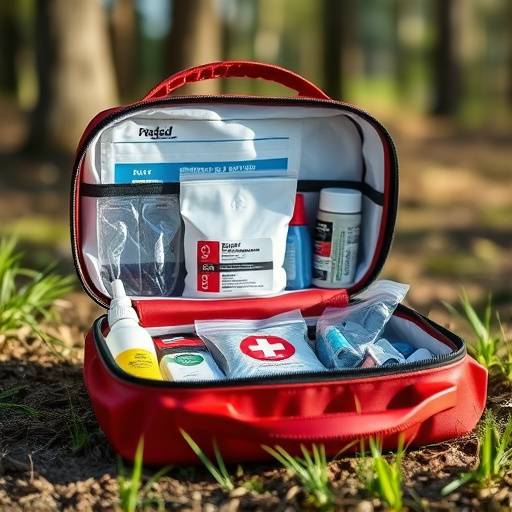
First-Aid Kit
Description: A well-stocked kit for treating minor injuries, cuts, scrapes, blisters, and sprains.
Recommendations:
- Include bandages, sterile pads, antiseptic wipes, pain relievers, allergy medication, and any personal prescriptions.
- Consider a wilderness first-aid guide.
- Check expiration dates regularly and restock as needed.

Headlamp or Flashlight
Description: Essential for navigating in the dark, setting up camp, or in case of unexpected delays.
Recommendations:
- Always carry spare batteries.
- A headlamp is preferred as it keeps your hands free.
- Check the battery life and lumens output.

Emergency Whistle and Signal Mirror
Description: Simple but effective tools for signaling for help in an emergency.
Recommendations:
- A loud, clear whistle (not a keychain type).
- A signal mirror can be seen from miles away in sunlight.
- Know the universal distress signal (three blasts/flashes).

Multi-tool or Knife
Description: Incredibly versatile for repairs, food preparation, and other trailside tasks.
Recommendations:
- Choose one with essential tools like a knife, pliers, and screwdrivers.
- Ensure it's well-maintained and sharp.
Camping Essentials (For Overnight Trips)
If your adventure extends beyond a day, these items are non-negotiable.
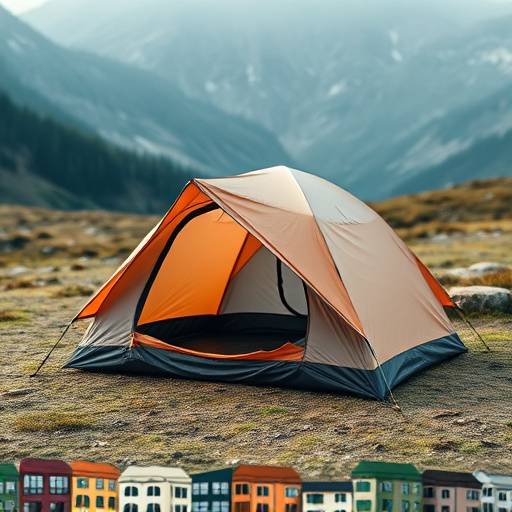
Tent or Shelter
Description: Your primary protection from the elements and insects. Choose a lightweight, durable, and weather-appropriate tent.
Recommendations:
- Consider the number of people and expected weather.
- Practice setting it up before your trip.
- Ensure it's waterproof and has good ventilation.
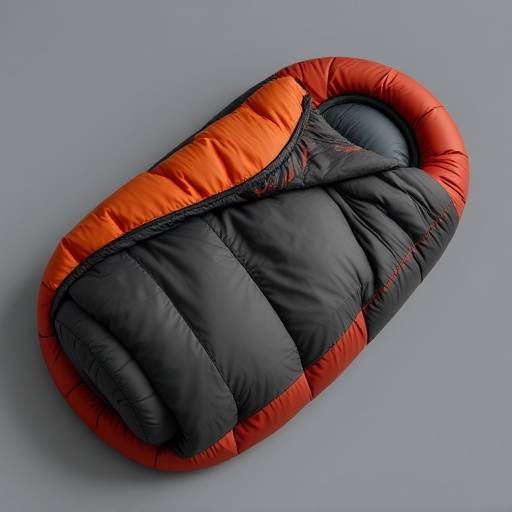
Sleeping Bag and Sleeping Pad
Description: Essential for a comfortable and warm night's sleep. The sleeping bag's temperature rating should match your expected conditions, and a sleeping pad provides insulation and cushioning.
Recommendations:
- Choose a sleeping bag with an appropriate temperature rating.
- Sleeping pads come in inflatable, self-inflating, and foam options.
- Consider the packed size and weight.
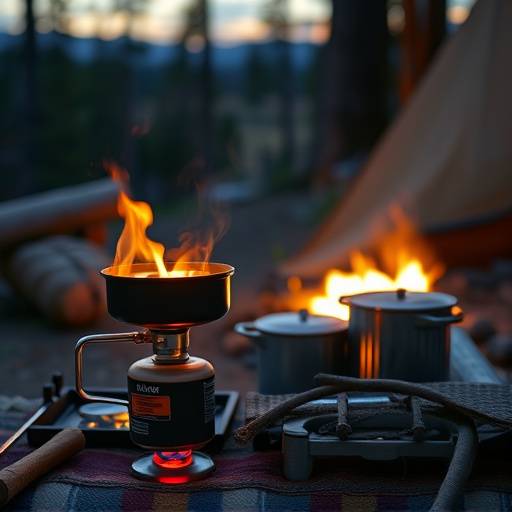
Stove, Fuel, and Cookware
Description: For preparing hot meals and drinks. A lightweight backpacking stove with sufficient fuel is crucial.
Recommendations:
- Choose a stove type that suits your needs (e.g., canister, liquid fuel).
- Carry enough fuel for your trip, plus a little extra.
- Lightweight pots, pans, and utensils are ideal.
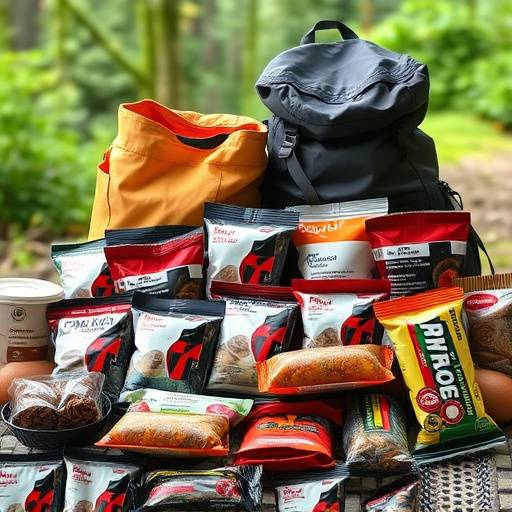
Food and Water
Description: Non-perishable, high-energy foods and a reliable way to carry and purify water.
Recommendations:
- Pack calorie-dense foods that require minimal preparation.
- Carry a water filter or purification tablets.
- Bring a reusable water bottle or hydration reservoir.
- Plan your meals carefully to avoid over/under-packing.
Tips for Choosing the Right Gear
- Consider Your Destination and Conditions: Research the terrain, expected weather, and duration of your hike. This will dictate the type and amount of gear you need.
- Prioritize Weight and Packability: Especially for longer hikes, every ounce counts. Opt for lightweight, durable, and packable gear whenever possible.
- Invest in Quality: While budget is a consideration, investing in high-quality gear often means greater durability, comfort, and reliability on the trail.
- Test Your Gear: Before embarking on a significant trip, test new gear on shorter outings to ensure it performs as expected and is comfortable.
- Learn Essential Skills: Gear is only as effective as the user. Learn how to use your navigation tools, set up your tent, and administer basic first aid.
- Check the Weather Forecast: Always check the forecast immediately before your trip and be prepared for unexpected changes.
- Leave No Trace Principles: Pack out everything you pack in, stay on marked trails, and respect wildlife. Your gear should enable you to do this responsibly.
- Share Your Plans: Let someone know where you are going, your planned route, and when you expect to return.
Gear Checklist Summary
Here's a quick reference for essential items:
| Category | Essential Items | Notes |
|---|---|---|
| Footwear | Hiking Boots/Shoes, Hiking Socks | Proper fit and moisture-wicking are key. |
| Clothing | Base Layer, Mid Layer, Outer Shell, Hat, Gloves | Layering is crucial for temperature regulation. |
| Backpack | Daypack or Multi-day Pack | Appropriate size and comfortable fit. |
| Navigation | Map, Compass, GPS/App (optional) | Know how to use them! |
| Safety | First-Aid Kit, Headlamp, Whistle, Knife/Multi-tool | Be prepared for emergencies. |
| Camping (Overnight) | Tent, Sleeping Bag, Pad, Stove, Fuel, Cookware, Food, Water | Comfort and sustenance for longer trips. |